
Have you noticed this happening more often?
Players join a match, things start going badly, and within minutes, they leave.
Rage quits, early exits, and shorter play sessions are becoming more common.
So what is causing this shift?
Modern gaming has changed, and player behavior has changed with it.
The Big Change: Gaming Feels More Intense Than Before
Games today are faster, more competitive, and more demanding.
Every mistake matters more. Every match feels important.
This creates pressure, even in casual gameplay.
And not every player enjoys that pressure.
1. Players Expect Instant Results
Modern players often want quick success.
When they do not see results fast, they lose motivation.
Result: They quit early instead of adapting.
Impact: Matches feel less stable and more unpredictable.
2. Frustration Builds Faster
With higher competition, mistakes get punished quickly.
This leads to:
More frustration
Less patience
Shorter play sessions
Instead of learning from the match, many players simply leave.
3. Competitive Mindset Has Replaced Casual Play
Even casual games can feel competitive now.
Ranking systems, stats, and performance tracking increase pressure.
This makes games feel less relaxing than they used to.
4. Attention Spans Are Shorter
Players today switch quickly between games, videos, and other content.
If something feels difficult or frustrating, they often move on.
This reduces long-term engagement.
5. Losing Feels More Punishing
Modern games often highlight losses strongly.
This can create a negative experience.
Some players prefer leaving over sitting with that frustration.
6. Players Compare Themselves More
Leaderboards and streaming expose players to top-level performance constantly.
This can make average players feel behind.
Comparison often leads to frustration.
7. Games Require More Effort to Stay Competitive
Keeping up with updates, strategies, mechanics, and meta changes takes time.
Not every player wants that level of commitment.
So they quit earlier when the game starts feeling too demanding.
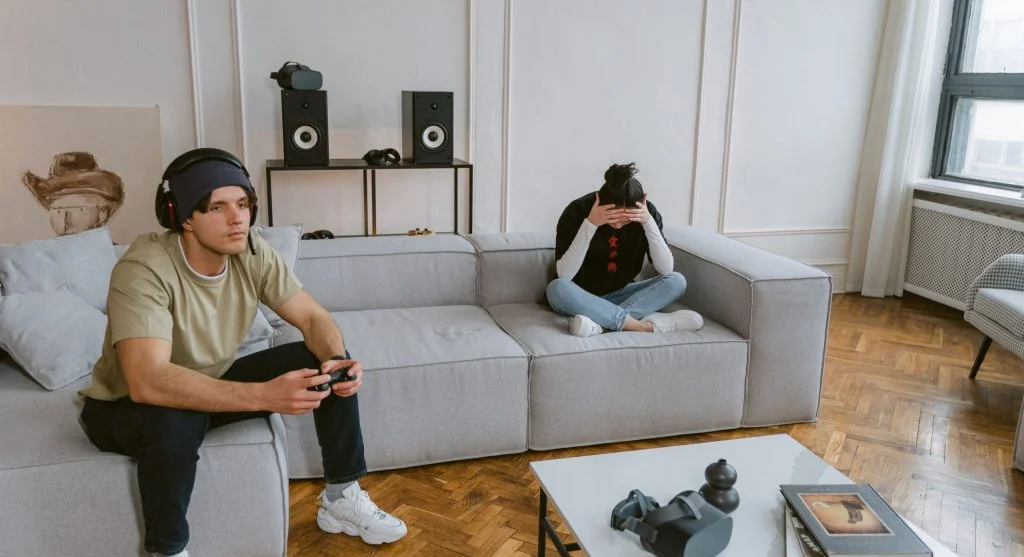
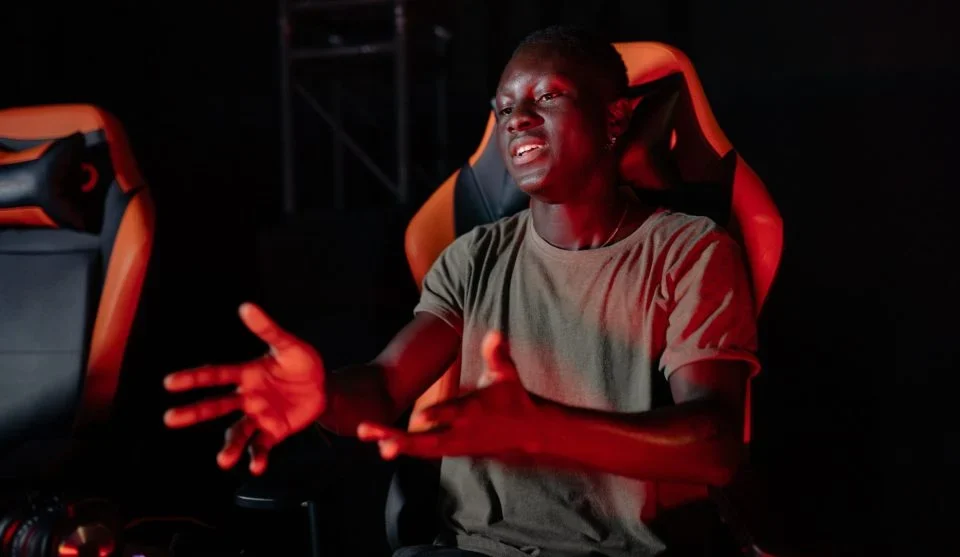
8. Emotional Reactions Are Stronger
Fast-paced games create quick emotional highs and lows.
Players react strongly to mistakes, losses, or unfair moments.
This often leads to rage quitting.
9. Social Pressure Plays a Role
Playing with others can increase expectations.
Some players quit to avoid embarrassment, criticism, or blame.
This affects team-based games even more.
10. Players Value Enjoyment Over Struggle
At the end of the day, players want to have fun.
If a game starts feeling stressful instead of enjoyable, many players leave.
This is one of the biggest reasons behind early quitting.
What This Means for You
Understanding this trend can help you play smarter.
You can:
Stay calm when others quit
Focus on your own performance
Avoid unnecessary frustration
This gives you an advantage.
How to Avoid This Trap
Focus on learning, not just winning
Stay patient during tough matches
Control your emotions
Play for improvement, not instant success
This keeps your gameplay more stable.
How to Avoid This Trap
- Focus on learning, not just winning
- Stay patient during tough matches
- Control your emotions
- Play for improvement, not instant success
This keeps your gameplay stable.
Frequently Asked Questions
Q: Why do players quit games quickly?
A: Because of frustration, pressure, and high expectations.
Q: Is this a new trend?
A: Yes, it has increased with modern competitive gaming.
Q: Does this affect gameplay?
A: Yes, it makes matches less stable.
Q: How can I avoid quitting?
A: Stay patient and focus on improvement.
Key Takeaway
Players quit games faster today because gaming has become more intense, competitive, and demanding. Those who stay patient, control their emotions, and focus on learning can perform better in this environment.