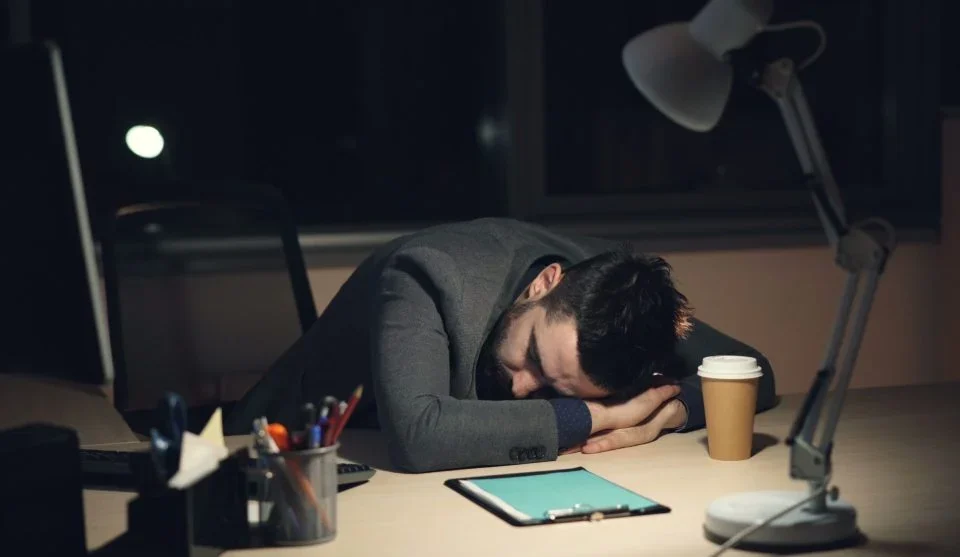

You finish a long gaming session expecting to feel entertained or relaxed. Instead, your mind feels foggy, your concentration disappears, and even simple decisions seem harder than they should.
This kind of mental fatigue is something many gamers experience, especially after extended or competitive play.
The good news is that it doesn’t necessarily mean you’re playing badly it often means your brain has simply been working hard for too long.
Gaming Demands More Mental Energy Than Many People Realize
From the outside, gaming may seem like a passive hobby, but your brain is constantly processing information.
During a session, you’re continuously:
- Tracking opponents and objectives
- Making split-second decisions
- Reacting to changing situations
- Managing pressure and staying focused
All of these tasks require mental energy. As that energy gradually decreases, feelings of exhaustion become more noticeable.

1. You’re Playing Too Long Without a Break
Long gaming sessions force your brain to maintain concentration for extended periods.
As mental fatigue builds, reaction time slows, focus decreases, and mistakes become more common.
Fix: Take a short break every 30 to 45 minutes. Even stepping away for a few minutes can help refresh your concentration.
2. Every Match Is High Pressure
Competitive game modes demand constant attention and emotional control.
Playing nothing but ranked matches or high-stakes games can make mental fatigue build much faster than expected.
Fix: Mix competitive sessions with more relaxed game modes to give your mind time to recover.
3. You’re Ignoring the Early Signs of Fatigue
Mental exhaustion rarely appears all at once.
It often begins with slower reactions, missed opportunities, poor decision-making, or difficulty concentrating. Many players notice these signs but continue playing anyway.
Fix: Recognize when your performance starts slipping and consider taking a break before frustration builds.

4. Emotional Stress Drains Energy Too
Gaming isn’t only mentally demanding it can also be emotionally demanding.
Frustration after losing, anger over mistakes, or stress during difficult matches all consume mental energy alongside gameplay itself.
Fix: Stay as calm as possible and avoid letting individual matches determine your mood.
5. You Don’t Set a Time Limit
Without a planned stopping point, gaming sessions can easily last much longer than intended.
The longer you continue without a clear limit, the more likely mental fatigue is to develop.
Fix: Decide how long you’ll play before you start, rather than stopping only when you feel exhausted.
6. Your Brain Never Gets a Chance to Recover
Deep concentration is valuable, but it isn’t unlimited.
Maintaining intense focus for hours without rest eventually reduces both performance and enjoyment.
Fix: Alternate periods of focused play with short moments of relaxation to help your brain recover.
7. Gaming Has Become Your Only Way to Relax
If gaming is your only leisure activity, your brain may not get enough variety to recharge.
Different activities challenge the mind in different ways, making balance important.
Fix: Include non-gaming activities such as walking, reading, exercising, or spending time outdoors as part of your routine.

8. Winning Has Become the Only Goal
Trying to win every match can create constant pressure.
When every game feels like a test, mental energy disappears much faster.
Fix: Focus on improving your skills and learning from each match instead of measuring success only by wins and losses.
9. You’re Not Getting Enough Sleep
Quality sleep has a direct impact on reaction time, focus, memory, and decision-making.
Poor sleep makes mental fatigue appear much sooner during gaming sessions.
Fix: Maintain a consistent sleep schedule so your brain has time to recover between sessions.
10. You Don’t Give Yourself Time to Recover
Just like muscles need recovery after exercise, your mind also needs time to recharge after demanding activities.
Ignoring recovery can gradually reduce both enjoyment and performance.
Fix: Build regular recovery time into your routine instead of playing through mental exhaustion.
A Simple Routine to Prevent Gaming Burnout
To stay mentally fresh during longer gaming sessions:
- Play in shorter sessions whenever possible.
- Take regular breaks throughout the day.
- Stay calm during both wins and losses.
- Balance gaming with sleep, movement, and other activities.
These habits help maintain focus while making gaming more enjoyable over the long term.
Frequently Asked Questions
Q: Why do I feel tired after gaming?
A: Because gaming uses a lot of mental energy.
Q: How can I avoid burnout?
A: Take breaks and limit long sessions.
Q: Is mental fatigue normal?
A: Yes, especially in competitive games.
Q: Can this affect performance?
A: Yes, it reduces focus and decision-making.
Key Takeaway
Gaming burnout isn’t a sign of weakness it’s often the result of mental overload. Long sessions, constant pressure, and insufficient recovery gradually drain your focus and energy. By taking regular breaks, managing your gaming time, staying calm under pressure, and giving your mind time to recover, you can improve both your performance and your enjoyment over the long term.