

You try to improve your aim.
You practice more. You focus harder. You play for longer.
But something still feels off.
Your aim feels inconsistent. Sometimes it feels smooth and controlled. Other times, it feels completely unpredictable.
The problem may not be your skill. It may be your sensitivity.
The Hidden Issue: Wrong Settings Create Bad Habits
Sensitivity controls how your movement turns into aim.
When it does not suit you, everything becomes harder:
- Tracking enemies
- Making adjustments
- Maintaining accuracy
- Over time, this can create inconsistent habits.
1. Your Sensitivity Is Too High
High sensitivity makes your aim fast—but unstable.
Small movements become large changes.
Result: Over-aiming and missed shots.
Fix: Lower sensitivity for better control.
2. Your Sensitivity Is Too Low
Low sensitivity improves precision—but reduces speed.
You may struggle to react quickly.
Fix: Find a balance between speed and control.
3. You Change Settings Too Often
Constantly changing sensitivity resets your muscle memory.
This prevents consistency.
Fix: Stick to one setting and adjust slowly if needed.
4. You Copy Pro Player Settings
What works for pros may not work for you.
Different setups, styles, and comfort levels matter.
Fix: Find settings that suit your playstyle.
5. You Focus Only on Aim Speed
Fast aim feels impressive—but control is more important.
Fix: Prioritize accuracy over speed.
6. Your Setup Doesn’t Match Your Sensitivity
Sensitivity depends on your setup:
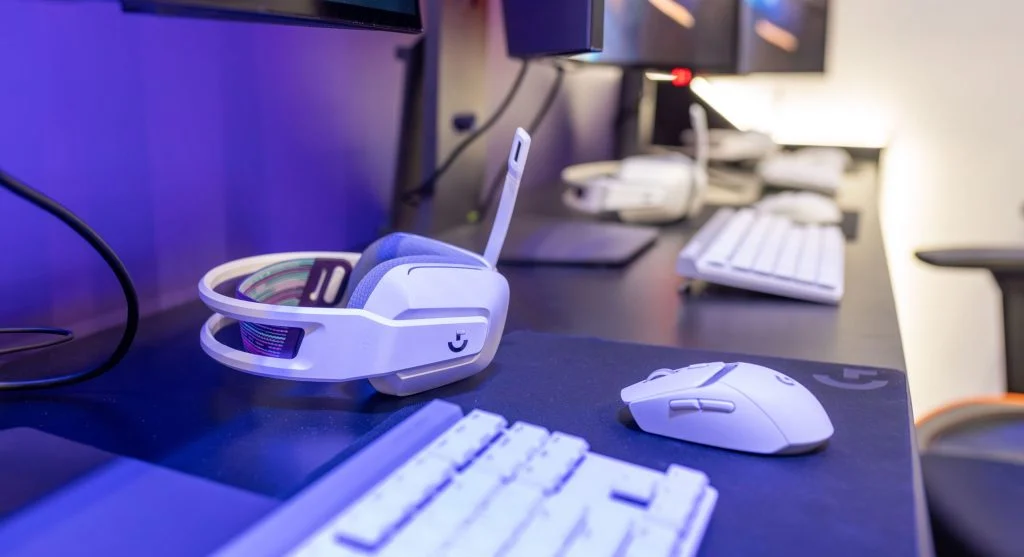
- Mouse space
- Desk size
- Hand movement style
Fix: Adjust sensitivity based on your setup.
7. You Don’t Give Time to Adapt
Even good settings feel uncomfortable at first.
Switching too early prevents improvement.
Fix: Give time to adapt before changing.
8. You Ignore Muscle Memory
Aim improves through repetition.
Changing settings breaks that process.
Fix: Build muscle memory with stable settings.
9. You Try to Fix Aim Only Through Settings
Settings help—but practice is still required.
Fix: Combine good settings with focused training.
10. You Don’t Test Settings Properly
Quick testing doesn’t show real results.
Fix: test settings over multiple sessions.
Simple Rule to Find Your Perfect Sensitivity
Use this approach:
- Choose a comfortable starting point
- Adjust slowly
- Stick with it for several sessions
- Focus on control and consistency
This leads to stable improvement.
Frequently Asked Questions
Q: What is the best sensitivity?
A: The one that feels comfortable and controlled for you.
Q: Should I copy pro settings?
A: No, find what works for your setup.
Q: How often should I change sensitivity?
A: Rarely—only when necessary.
Q: Can sensitivity improve aim instantly?
A: It helps, but practice is still required.
Key Takeaway
Your sensitivity settings affect your entire gameplay experience. Players who find the right balance and keep it consistent usually build better control, sharper accuracy, and stronger overall performance.