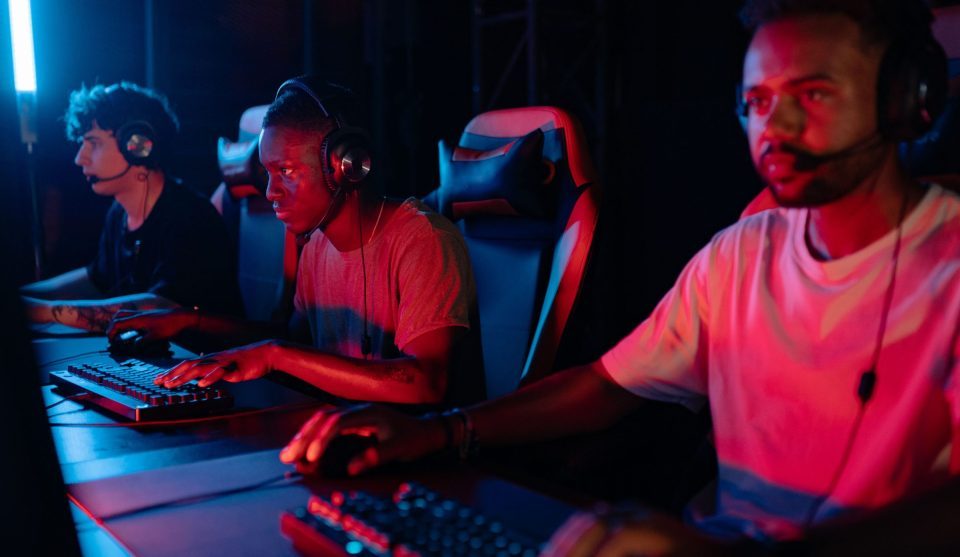

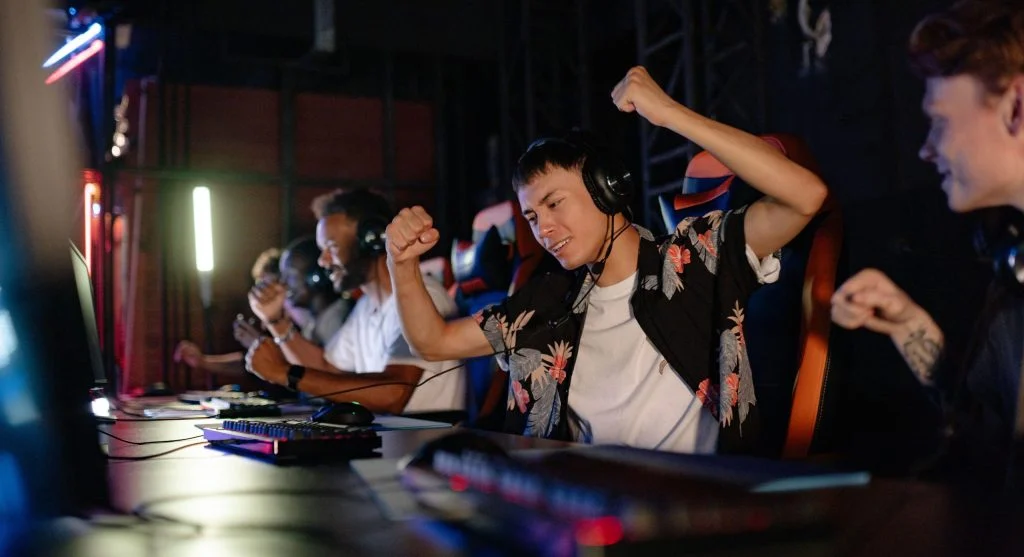
Not all players approach games the same way. Some play for fun and relaxation, while others aim to improve, compete, and win consistently.
This difference is what separates casual gaming from competitive gaming. Understanding this gap can completely change how you approach games.
1. Purpose of Playing
Casual players: Play to relax and enjoy the experience.
Competitive players: Play to improve, win, and perform better each match.
The goal behind playing shapes every decision in the game.
2. Approach to Mistakes
Casual players: Ignore mistakes or move on quickly.
Competitive players: Analyze mistakes and try to fix them.
Improvement starts when mistakes are treated as learning points.
3. Level of Focus
Casual players: May play while distracted or multitasking.
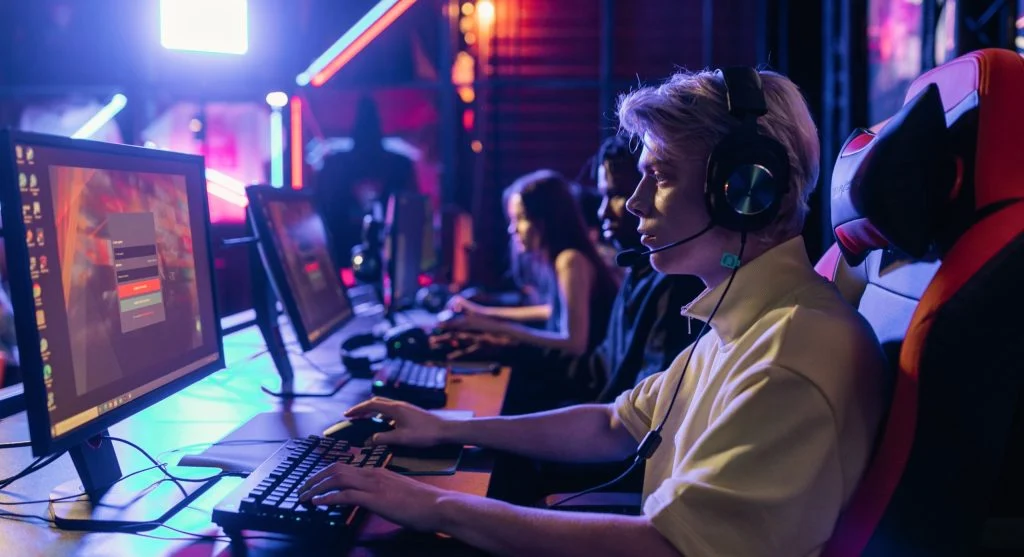
Competitive players: Stay fully focused on gameplay.
Focus directly impacts performance and consistency.
4. Decision Making
Casual players: Make quick or random decisions.
Competitive players: Think ahead and plan actions.
Better decisions often matter more than faster reactions.
5. Reaction to Losing
Casual players: May not care much about losses.
Competitive players: Use losses to identify weaknesses.
Losses are seen as opportunities for growth.
6. Practice Style
Casual players: Play randomly without a goal.
Competitive players: Practice specific skills intentionally.
Structured practice leads to faster improvement.
7. Consistency of Performance
Casual players: Often have inconsistent results.
Competitive players: Aim for stable, repeatable performance.
Consistency is a key difference between the two styles.
8. Mindset Toward Improvement
Casual players: Don’t prioritize improvement.
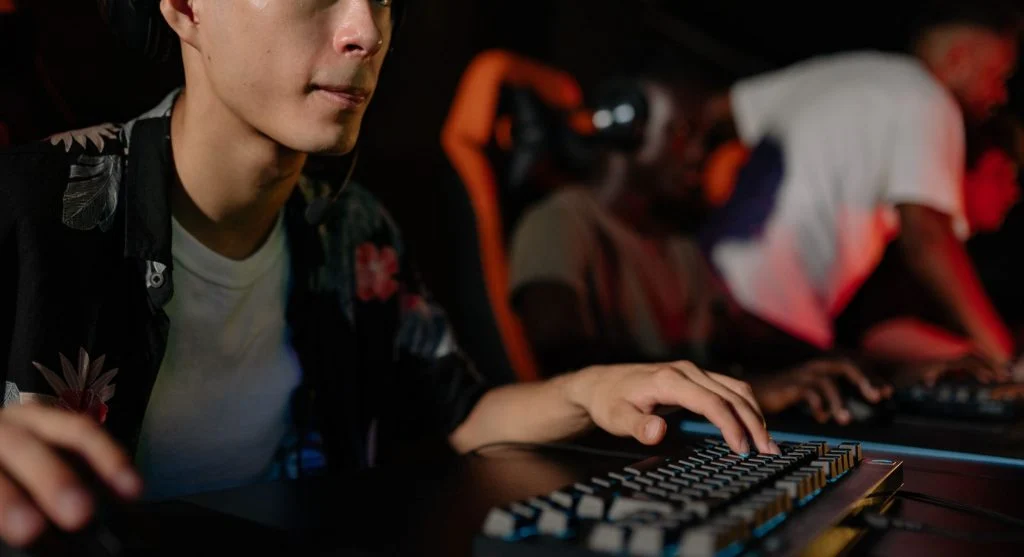
Competitive players: Always look for ways to get better.
This mindset is what drives long-term progress.
Frequently Asked Questions
Q: Is competitive gaming better than casual gaming?
A: Not necessarily. It depends on your goals and preferences.
Q: Can casual players become competitive?
A: Yes, by changing their mindset and approach.
Q: Do competitive players enjoy games less?
A: Not always. Many enjoy improvement and challenge.
Q: What is the biggest difference?
A: The mindset and purpose behind playing.
Key Takeaway
The difference between casual and competitive gaming is not just skill it’s mindset. Players who focus on learning, improving, and making smart decisions naturally perform better over time. Changing how you think about games can completely change your results.