

Many players believe that playing longer means improving faster.
So they grind for hours, match after match, hoping their skills will improve.
But here is the truth many players ignore:
Long gaming sessions often reduce performance instead of improving it.
What feels like “practice” can slowly turn into fatigue, repeated mistakes, and bad habits.
The Hidden Problem: Fatigue Builds Without You Noticing
Unlike physical tiredness, mental fatigue builds quietly.
At first, everything may feel normal. But over time:
Your focus drops
Your reactions slow down
Your decisions become weaker
The worst part is that you may not even notice it happening.
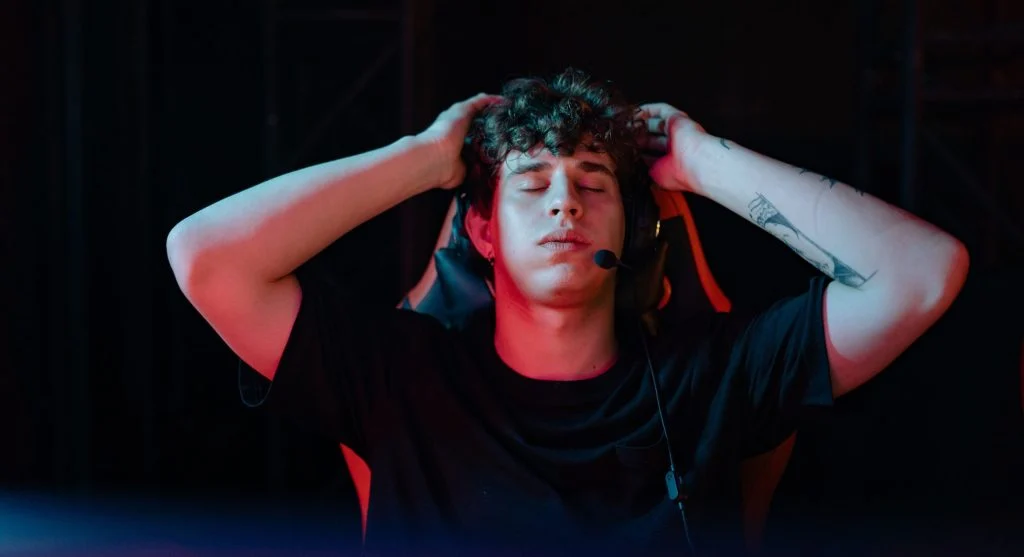
1. Your Reaction Time Gets Slower
After long sessions, your reactions are no longer as sharp.
You may still feel fast, but your response time can become slower.
Result: You lose fights you would normally win.
Fix: Take short breaks before your reaction time starts dropping.
2. Decision Making Becomes Worse
Fatigue affects how your brain processes information.
This can lead to:
Poor positioning
Bad timing
Unnecessary risks
Fix: Stop playing when your decisions start feeling rushed, random, or careless.
3. You Start Playing on Autopilot
After a while, you stop thinking actively.
You begin repeating actions without real awareness.
This creates bad habits that become harder to fix later.
Fix: Play shorter sessions with full focus instead of long sessions where you stop thinking clearly.
4. Emotional Control Breaks Down
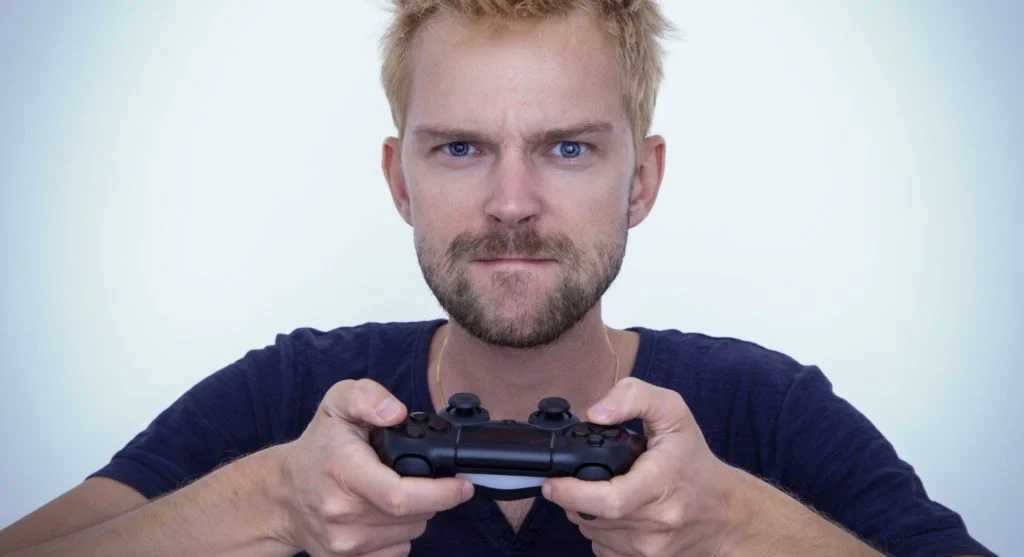
Fatigue makes it harder to control emotions.
This can lead to:
Frustration
Anger
Impatience
These emotions directly affect your gameplay decisions.
Fix: Take breaks before frustration starts building.
5. Your Focus Window Gets Smaller
At the start of a session, you can track several things at once.
After hours of play, your focus becomes narrower.
You may miss important details like:
Enemy movement
Audio cues
Positioning changes
Fix: Stop when you notice your awareness starting to drop.
6. You Mistake Quantity for Progress
Playing more can feel productive, but it is not always effective.
10 focused matches are better than 30 tired ones.
Fix: Measure improvement by quality, not by hours played.
7. You Build Bad Habits Without Realizing
Fatigue does not only reduce performance. It can also change your behavior.
When you are tired, you may:
Take shortcuts
Ignore strategy
Play carelessly
Over time, these habits can become automatic.
Fix: Stop playing before the quality of your gameplay drops too far.
8. Your Confidence Drops Over Time
As mistakes increase, confidence often decreases.
This creates a negative cycle:
Fatigue → mistakes → frustration → worse performance
Fix: End your sessions on a positive note instead of pushing too far.
9. Top Players Don’t Play Non-Stop
Skilled players do not grind endlessly without structure.
They focus on:
Short sessions
High focus
Consistent breaks
They understand that recovery is part of improvement.
10. The Smart Way to Practice
Instead of playing for endless hours, use a better structure:
Warm-up for 10–15 minutes
Play focused matches for 1–2 hours max
Take short breaks every 30–45 minutes
Do a quick review before stopping
This helps keep performance high and prevents burnout.
Frequently Asked Questions
Q: Do long gaming sessions improve skill?
A: Not always. Long sessions can reduce focus and create bad habits.
Q: How long should I play?
A: 1–2 hours of focused gameplay is usually more effective.
Q: Why do I play worse after some time?
A: Mental fatigue reduces reaction time and decision-making.
Q: Are breaks really important?
A: Yes, they help maintain performance and focus.
Key Takeaway